Let’s be honest. A couple of years ago, “AI phone” was basically marketing fluff slapped onto a camera app. You’d hear the term, roll your eyes, and go back to comparing megapixels. Fast forward to 2026, and something has actually changed. Your phone can now translate a conversation in real time between Arabic and Hindi, summarize a WhatsApp voice note you don’t have time to listen to, or erase a stranger photobombing your Burj Khalifa shot, all without touching a laptop or opening a separate app.
Here’s the part that matters if you’re shopping in the UAE right now. You no longer need a flagship budget to get any of this. Whether you’re a student in Sharjah juggling assignments, a small business owner in Deira replying to customers in three languages, or just someone who wants a phone that takes better photos at Al Marmoom without editing them for twenty minutes, the best AI smartphones in UAE stores today start well under AED 2,000.
This guide walks you through how AI features actually work at this price point, ranks the ten phones worth your dirhams, and gives you a simple way to pick the right one. No engineering degree required.
What Makes a Smartphone “AI-Powered” in 2026?
In 2026, a smartphone earns the “AI-powered” label through dedicated hardware, mainly an on-chip Neural Processing Unit that runs generative AI models directly on the device. Instead of leaning entirely on cloud servers, these phones handle real-time tasks like live translation, smart resource allocation, and advanced photo processing instantly and privately, keeping your data, voice commands, and personal documents right where they belong.
Beyond the chip, it’s the software that brings this to life. Proactive AI assistants can now handle multi-step tasks across different apps on their own, while built-in writing, transcription, and summarization tools work natively within the interface. Cameras have gotten smarter too, using real-time scene recognition to read lighting and objects and optimize every part of a photo before you even hit the shutter.
How We Chose These AI Smartphones
Every device on this list was judged on a genuine on device AI assistant, such as Galaxy AI, Gemini, or Essential Space, not a gimmick buried three menus deep. We also checked NPU and chipset capability, since AI features are only as good as the silicon running them, plus AI camera quality was tested in real conditions like low light and portraits, not just marketing photos.
Software update commitment mattered too, since AI features improve through updates and a phone that stops updating in a year is a dead end. Battery life and display quality were factored in as well, because none of this matters if the phone can’t get you through a workday. There’s a real difference between AI branded marketing and genuinely useful on device AI, and we filtered for the latter.
For UAE buyers specifically, we checked 5G compatibility with e&du, dual SIM support for expats juggling a local and international line, and how well each brand’s AI assistant handles Arabic, since this varies more than expected between brands.
Best Products: Top 10 AI-Powered Smartphones Under AED 2,000
AI powered smartphones are now more accessible than ever. These top 10 picks under AED 2,000 offer smart features, strong performance, capable cameras, and great value for everyday users.

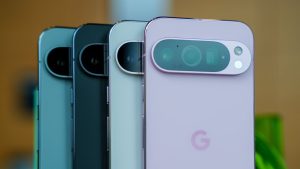
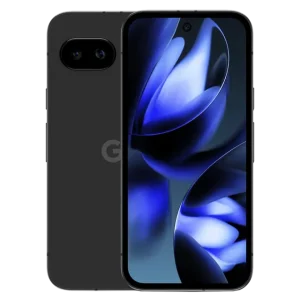
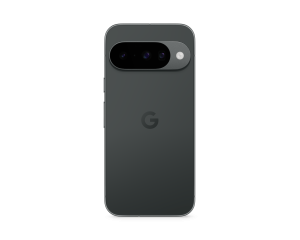
The Pixel 9a stands out for best in class Gemini AI integration, built on Google’s Tensor G4 chipset designed AI first rather than retrofitted. It packs a 6.3-inch 120Hz OLED display, a 48MP dual camera with AI-powered Magic Editor and Best Take, Gemini as a system-level assistant, a 5,100mAh battery, and future OS updates, making it ideal for Android purists and photography buyers.

The Google Pixel 10 runs on Google’s Tensor G5 chipset with a 6.3-inch 120Hz OLED display, a 48MP triple camera featuring 5x optical zoom, IP68 water resistance, and a 4970mAh battery with fast wired and wireless charging. On the AI side, Gemini runs natively across the system, Circle to Search lets you look up anything instantly, and AI-powered Best Take improves your photos automatically. With up to 7 years of Android updates, these AI features keep getting better over time.

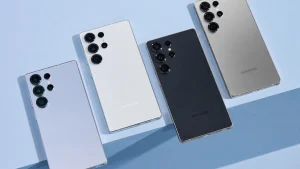
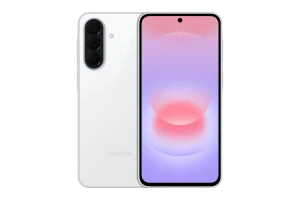
The Samsung Galaxy A57 brings Galaxy AI, a suite normally reserved for flagships, down into Samsung’s accessible A series. It features Circle to Search, AI-powered photo editing, and live translate, all running on an Exynos chipset with a 120 Hz Super AMOLED display and a 50MP camera. With IP67 water resistance and Samsung’s long software support window, it’s ideal for Samsung ecosystem users and anyone wanting flagship AI tools on a mid-range budget. (73 words)
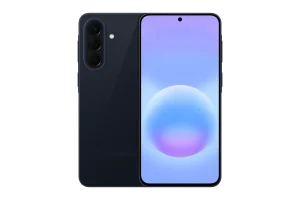
The Samsung Galaxy A37 is the more budget friendly entry point into Galaxy AI, built for readers whose priority is genuine AI features at the lowest possible price. It offers Galaxy AI essentials like Translate, Note Assist, and photo AI tools, paired with an AMOLED display and a solid camera for its price tier. Backed by Samsung’s future update policy, it’s ideal for first time smartphone buyers, students, and anyone wanting to buy on a budget and also wanting real AI functionality.
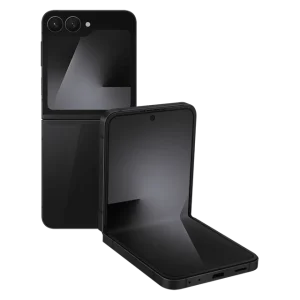
The Samsung Galaxy Z Flip7 FE is the only foldable on this list, proving you don’t need flagship money to get Galaxy AI in a folding phone. It features a 6.7 inch Dynamic AMOLED 2X display that folds down to pocket size, with Galaxy AI carried straight over from Samsung’s flagship Flip line, including live translation and AI photo editing. The cover screen adds handy AI utilities like quick replies and notification summaries without opening the phone. It’s a great pick for style conscious buyers and anyone curious about foldables without paying flagship Fold prices.
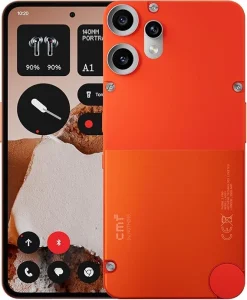
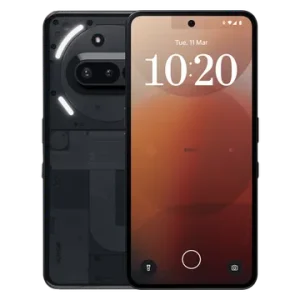
The Nothing Phone (3a) stands out with Essential Space, an AI feature that automatically organizes your screenshots and notes, paired with the brand’s signature Glyph Interface for glanceable notifications. It’s genuinely different from just another spec bump. Under the hood sits a Snapdragon 7s Gen 3 chipset, a 6.77-inch 120Hz AMOLED display, a 50MP main camera, and a 5,000mAh battery with 50W fast charging. It’s a great fit for first time buyers, students, and anyone who wants a phone that looks and feels different from the usual Android slab.
7. Nothing Phone (3a) Pro
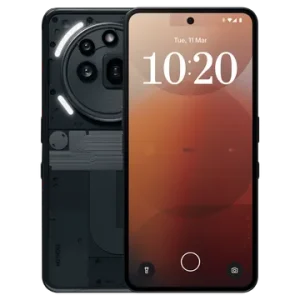
The Nothing Phone (3a) Pro runs on the same Essential Space AI ecosystem as the standard 3a but steps things up with a stronger camera system, making it the pick for AI photography buyers on this list. It adds a periscope and telephoto zoom over the base 3a, alongside an AMOLED display and the signature Glyph Interface, all backed by strong battery life. It’s ideal for photography enthusiasts who want real zoom versatility and anyone chasing the best camera in the Nothing lineup without stepping up to the Phone (3).
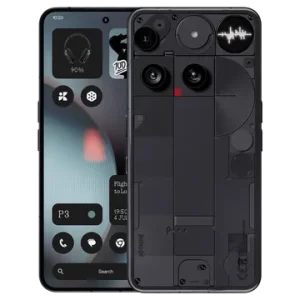
The Nothing Phone (3) sits at the top of the AI phone ladder in this budget, running Nothing’s flagship tier hardware with a more powerful Snapdragon 8s Gen 4 chipset and the standout Glyph Matrix interface. It pairs a 50MP triple camera with 3x optical zoom, Essential Space AI, and a 5,150mAh battery with 65W fast charging, making it a strong pick for power users, content creators, gamers, and design conscious buyers. Note: pricing can sit at or slightly above AED 2,000 depending on RAM and storage, so it’s worth confirming the entry level variant’s live price before you decide. (92 words)

The OnePlus 15 is an excellent choice if you want flagship level performance paired with practical AI features that make everyday tasks easier. Powered by the Snapdragon 8 Gen 5 chipset, it delivers smooth gaming, fast multitasking, and reliable performance, while the 6.83-inch 165Hz AMOLED display offers an immersive viewing experience. Its massive 7,400mAh battery with 100W SUPERVOOC fast charging keeps you powered throughout the day with minimal downtime. On top of that, the OnePlus AI suite, including AI Search, AI Writing, AI Summarization, and AI-powered photography enhancements, adds extra convenience for both work and entertainment.
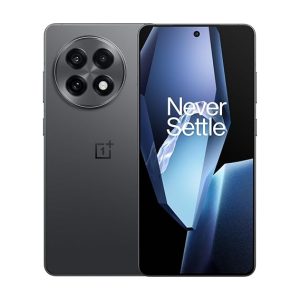
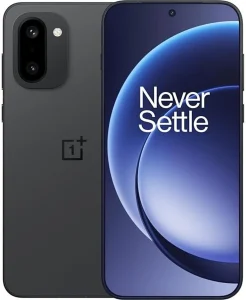
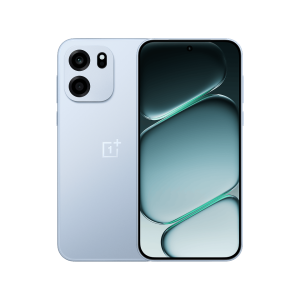
The OnePlus Nord 6 is a great option for budget conscious buyers who want a clean software experience with useful AI features at a more affordable price. It combines a capable mid-range chipset with AI-assisted camera processing, a large battery, and fast charging for dependable everyday performance. Running OxygenOS, it offers a smooth and clutter free user experience, while OnePlus AI tools add extra convenience for tasks like photography and productivity, depending on feature availability. It is well suited for users who prefer the OnePlus ecosystem over other brands like Samsung or Nothing and also makes a reliable backup phone.
Buying Tips: How to Choose the Right AI Smartphone for You
On device AI vs cloud dependent AI: On device processing matters for privacy, speed, and it works without a data connection, especially for UAE users mindful of data costs while traveling or roaming.
Chipset matters more than the AI label: Check the NPU or chipset generation rather than trusting marketing terms alone.
Software update commitment: AI features improve via updates. Prioritize brands offering 4 plus years of OS and security updates.
Language support for AI assistants: Arabic language AI assistant quality varies by brand. Worth checking before you buy if this matters to you.
Common mistake to flag: Assuming AI camera means better photos in all conditions. AI processing helps most in low light and portrait scenarios, less in daylight where sensor size still matters most.
Common mistake to flag: Overpaying for AI features rarely used. Ask yourself whether you’ll actually use generative editing, live translate, call summarization, and so on.
Battery and 5G compatibility check: Confirm dual SIM and e& and du network band compatibility, relevant for UAE residents and expats.
Maintenance and longevity tip: AI features are compute intensive. Keep software updated and periodically clear cache and storage to maintain AI feature performance over time.
Expert recommendation: For most buyers, prioritize the ecosystem (Google, Samsung, OnePlus, or Nothing) they’re already comfortable with, since AI assistants tie deeply into that ecosystem’s apps and services.
Conclusion
AED 2,000 is no longer a compromise budget in the UAE. Genuine AI features once reserved for flagships are now standard at this price.
Match your phone choice to your primary use case: the Pixel 9a or 10a for an AI native experience, the Galaxy A57 or Z Flip7 FE for the Galaxy AI ecosystem, the Nothing 3a series for standout design plus Essential Space AI, the OnePlus 15R for performance, and the Nord CE6 for pure value.
Compare full specs and live pricing on Heaven Star Electronics before purchasing, and explore related categories such as accessories, cases, and chargers to complete your setup.
FAQs
1.What is the best AI-powered smartphone under AED 2,000 in the UAE?
It depends on your priority. The Pixel 9a leads for the most natural AI integration, while the Galaxy A57 offers the strongest all round Galaxy AI package at this price.
2. Which phone under AED 2,000 has the best AI camera features?
The Pixel 9a and Nothing Phone (3a) Pro stand out here, the Pixel for computational photography, and the 3a Pro for its added zoom versatility.
3. Do budget AI phones actually use on-device AI, or does it require internet?
Most flagship adjacent AI features on this list, like Gemini Nano and Galaxy AI’s core tools, run on device via the phone’s NPU, though some advanced generative features may still call the cloud for heavier processing.
4. Are these AI smartphones compatible with 5G networks in the UAE (e& and du)?
Yes, all ten phones on this list support 5G and are compatible with both major UAE carriers, though it’s always worth confirming band support for your specific storage variant.
5. Which AI phone under AED 2,000 supports Arabic language AI assistant features best?
Samsung’s Galaxy AI has generally strong Arabic support across its translate and writing tools, making the A57 and A37 solid picks if this is a priority.
6. Can I buy these AI smartphones on installment plans in the UAE?
Many UAE retailers, including Heaven Star Electronics, offer installment and bank financing options. Check current plans at checkout.
7. Is a foldable phone like the Galaxy Z Flip7 FE a good choice for AI features, or should I stick to a standard phone?
The Z Flip7 FE carries the same Galaxy AI suite as Samsung’s standard phones, so you’re not sacrificing AI capability for the form factor. Just weigh whether the foldable design fits your daily habits.
8. How long will AI features keep improving on these phones via software updates?
This varies by brand. Google and Samsung both offer multi year update commitments, Google’s Pixel A series has pushed toward 7 years, which directly extends how long your AI features will keep improving.


 Login/RegisterAccounts
 0
0


 SEO Team


