AI used to be a small bullet point on a spec sheet. In 2026, it’s the main reason flagship buyers pick Samsung over Apple, or the other way around. Galaxy AI is now in its third generation with the Galaxy S26 series, and Apple Intelligence has matured into Apple’s on-device AI layer running across iOS.
This isn’t a small decision. Choosing an ecosystem today is closer to a multi-year commitment, since AI features increasingly tie into everything else you own, your watch, your tablet, your earbuds, even your smart home setup. This guide breaks down how each platform actually works, compares them feature by feature, picks the top devices from each ecosystem, and gives UAE buyers a simple framework to decide.
How Galaxy AI and Apple Intelligence Actually Work
The most important difference between the two comes down to architecture. Galaxy AI runs on a hybrid model, meaning many of its features route through Samsung’s servers and Google’s Gemini cloud to unlock broader capability. Apple Intelligence takes the opposite approach, prioritizing on-device processing through the Neural Engine, which keeps far less data leaving your phone. In practice, this means Galaxy AI can pull off more powerful and creative tasks because it can tap into cloud compute, though more of your data travels off the device to do it. Apple Intelligence stays more private by design, but it’s occasionally more conservative about what it will attempt.
The two brands also differ in how they present AI. Samsung ships visible, demo-friendly features, generative Photo Assist edits, Circle to Search, and proactive Now Nudge suggestions that surface before you even ask. Apple’s approach is quieter, with Writing Tools, notification summaries, and contextual Siri actions working in the background rather than centering the experience around one flashy feature.
Device support is another gap worth noting. Samsung Galaxy AI stretches across phones, tablets, wearables, TVs, and SmartThings devices. Apple Intelligence stays tightly integrated but only within Apple’s own hardware, iPhone, Mac, iPad, and Watch, a narrower but more polished ecosystem. Keep this in mind as you read on: your existing hardware often matters more than any single AI feature.
Feature-by-Feature Comparison: Galaxy AI vs Apple Intelligence
Apple wins on flexible writing tools and privacy-first processing, while Samsung leads on generative photo editing, real-time translation, and proactive suggestions, giving each ecosystem a distinct strength.
Writing and text tools. Apple’s Rewrite tool lets you give open-ended, custom tone commands, giving it an edge in flexibility. Galaxy AI features five preset writing styles instead, Professional, Casual, Social, Polite, and Emojify, which are quicker to use but less customizable.
Photo editing. Samsung’s Photo Assist lets you move, resize, or delete objects, generate new content, and make prompt-based additions, giving it a clear edge in creative range. Apple’s Clean Up tool focuses mainly on object removal with more limited generation, favoring simplicity over power.
Live translation. Samsung’s real-time two-way call translation is one of the most widely praised features in either ecosystem. Apple’s real-time translation exists but covers a narrower scope.
Proactive AI. Samsung’s Now Nudge surfaces suggested actions before you ask for them. Apple leans on a more reactive, request-based model through Siri and Apple Intelligence.
Privacy and data handling. This is worth calling out as its own decision factor. Apple AI features keep more processing on-device, while Samsung AI relies more on hybrid cloud processing to unlock broader capability.
Ecosystem integration. Apple has the edge across Mac, iPad, and Watch continuity. Samsung wins on breadth, reaching across a wider range of device categories including TVs and smart home gear.
Best Products: Top AI-Powered Phones From Each Ecosystem
Five standout picks showcase each platform’s AI strengths, from Samsung’s feature-rich flagships and foldable to Apple’s privacy-focused iPhones, helping you match a device to your priorities.

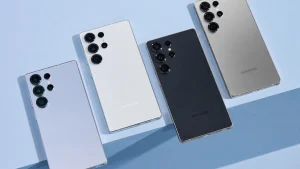
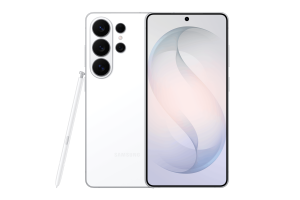
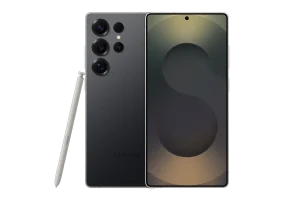
The Samsung Galaxy S26 Ultra is Samsung’s current flagship and the fullest expression of third-generation Galaxy AI, making it the best device to experience Now Nudge, generative Photo Assist, and expanded live translation firsthand. It runs One UI 8.5, pairs a top-tier camera system with full S Pen integration, and delivers the most feature-rich, visibly powerful AI experience available right now, ideal for power users already plugged into the Samsung and SmartThings ecosystem.

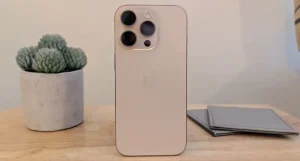
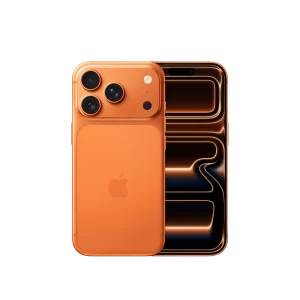
The iPhone 17 Pro Max is Apple’s flagship and the clearest showcase of Apple Intelligence’s on-device, privacy-first approach, powered by the A19 Pro chip’s Neural Engine. It brings Writing Tools across system apps, smart notification summaries, Camera Control, and a large Super Retina XDR display, all while keeping processing on-device. It’s the natural pick for buyers already invested in the Apple ecosystem, privacy-conscious users, and anyone who prefers AI that works quietly in the background rather than as a headline feature.
The Samsung Galaxy S25 Ultra offers a more accessible way to get a mature, well-refined Galaxy AI feature set, since these tools have had a full generation to stabilize, without paying for the newest S26 chipset. It comes with an established AI lineup, including Circle to Search, live translate, note assist, and Photo Assist, backed by a strong camera system and full S Pen support. It’s a smart pick for buyers who want nearly all of Galaxy AI’s core value without the premium of the latest model, and for value-conscious Samsung ecosystem buyers.
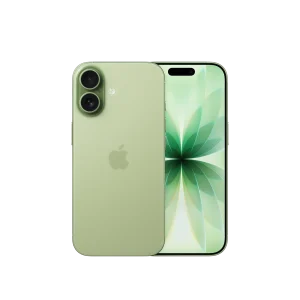
The iPhone 17 brings Apple Intelligence to Apple’s mainstream, non-Pro tier, proving the core AI experience isn’t locked to the most expensive model. Its A-series chip with Neural Engine powers the full Apple Intelligence feature set, including Writing Tools, notification summaries, and Siri improvements, paired with a smooth 120Hz display. It’s a solid choice for mainstream buyers who want Apple’s AI experience without Pro-tier pricing, and for anyone upgrading from an older iPhone. (75 words)
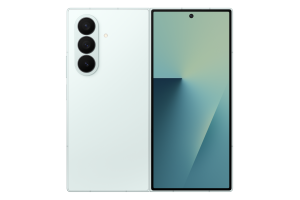
The Samsung Galaxy Z Fold7 shows off Galaxy AI’s device-breadth advantage, extending the same AI feature set naturally to a foldable form factor, something Apple’s current lineup doesn’t offer. It adapts the full Galaxy AI suite for the large inner display, with AI-assisted multitasking and Photo Assist working across a bigger canvas, all wrapped in a productivity-focused foldable design. It’s a great fit for buyers curious how Galaxy AI scales across device types, and for productivity-focused users who multitask heavily.
How to Decide: Buying Considerations for UAE Readers
Start with the hardware you already own, not the AI feature list. If you’re already using a Mac, iPad, or Apple Watch, Apple Intelligence has a structural continuity advantage. If you own Samsung tablets, wearables, or SmartThings devices, Galaxy AI plugs into that same device graph.
If privacy is your top priority, lean toward Apple Intelligence’s on-device architecture. If you want maximum feature capability and don’t mind cloud processing, Galaxy AI is the stronger pick. For the UAE’s multilingual, multinational environment, spanning Arabic, English, Hindi, Urdu, and Tagalog, Samsung’s live call translation is a genuine standout worth factoring in.
Two common mistakes to avoid: choosing a phone based on one flashy AI demo rather than your everyday habits, since most people only use a handful of AI features regularly, not the entire advertised list; and assuming more AI features automatically means more useful AI, when the depth and reliability of a few features usually matters more than sheer breadth.
For most UAE buyers, ecosystem lock-in, meaning your existing devices, apps, and habits, should outweigh any individual AI feature checklist. Treat this as a multi-year platform decision, not a one-off spec comparison. Both platforms are also iterating fast, so check for the latest OS version, One UI or iOS, at the time of purchase, since AI feature sets keep expanding through software updates even on the same hardware.
Conclusion
Neither platform is a clear universal winner. Samsung Galaxy AI leads on breadth, visible creative features, and real-time translation. Apple Intelligence leads on privacy architecture, writing-tool flexibility, and ecosystem polish.
The right call comes down to matching the platform to your existing device ecosystem and your personal priority, capability versus privacy, rather than chasing a single standout feature. Compare these five featured devices, along with the wider Samsung and Apple ranges, on Heaven Star Electronics before making your final call.
FAQs
- What is the main difference between Galaxy AI and Apple Intelligence?
Galaxy AI leans on hybrid cloud processing for broader, more powerful features, while Apple Intelligence prioritizes on-device processing for stronger privacy.
- Is Galaxy AI or Apple Intelligence better for privacy?
Apple Intelligence has the edge here, since it keeps most processing on-device rather than relying heavily on cloud servers.
- Does Galaxy AI work without an internet connection?
Some Galaxy AI features run on-device, but many of its more advanced tools depend on cloud connectivity through Samsung’s servers and Google’s Gemini.
- Which phones support Apple Intelligence in 2026?
Apple Intelligence runs across recent iPhone models with sufficient Neural Engine power, including the iPhone 17 and iPhone 17 Pro Max, along with compatible iPads and Macs.
- Is Galaxy AI available on Samsung tablets and wearables too?
Yes, Galaxy AI extends beyond phones to Samsung tablets, wearables, TVs, and SmartThings connected devices.
- Which AI ecosystem has better real-time translation for UAE users?
Samsung’s live call translation is widely regarded as the stronger option, which matters given the UAE’s multilingual population.
- Do I need the most expensive Galaxy or iPhone model to get full AI features?
Not necessarily. Mainstream models like the iPhone 17 and the Galaxy S25 Ultra carry most of the core AI feature set without flagship-tier pricing.
- Can I switch between ecosystems easily once I’ve invested in one AI platform?
Switching is possible, but since AI features are tied to your existing devices and accounts, moving from one ecosystem to another usually means giving up some continuity you’ve already built.


 Login/RegisterAccounts
 0
0


 SEO Team


